

Cosmetic dentistry in Doral, Miami
Composite veneers in Miami, sculpted on your own teeth
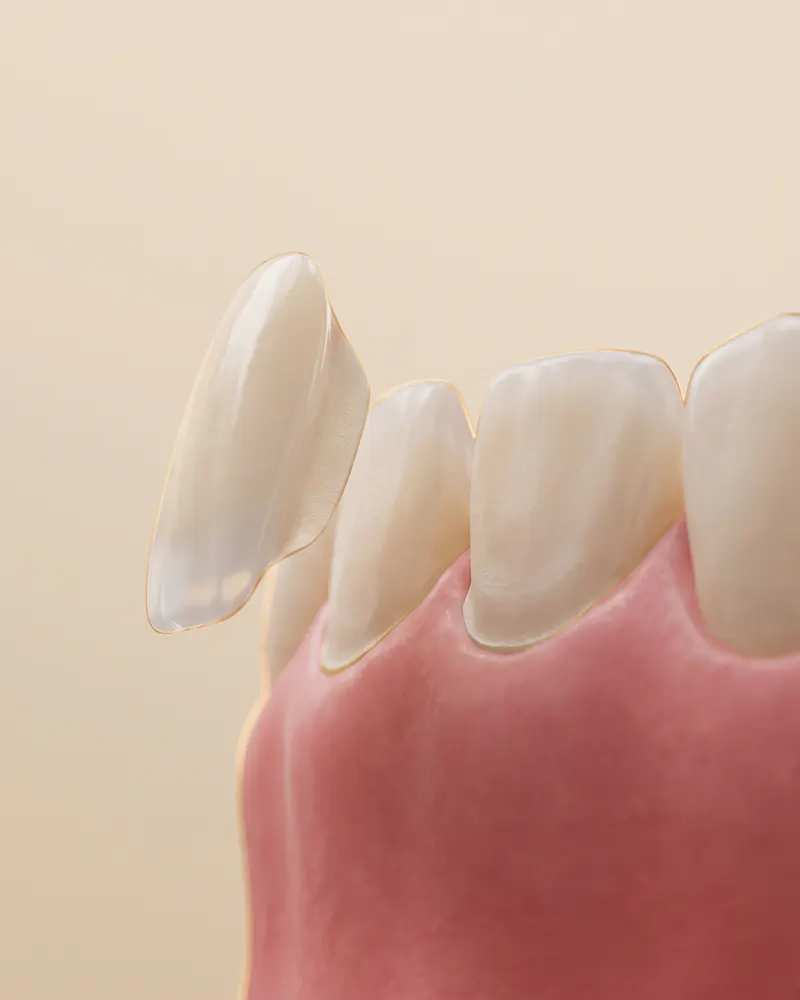
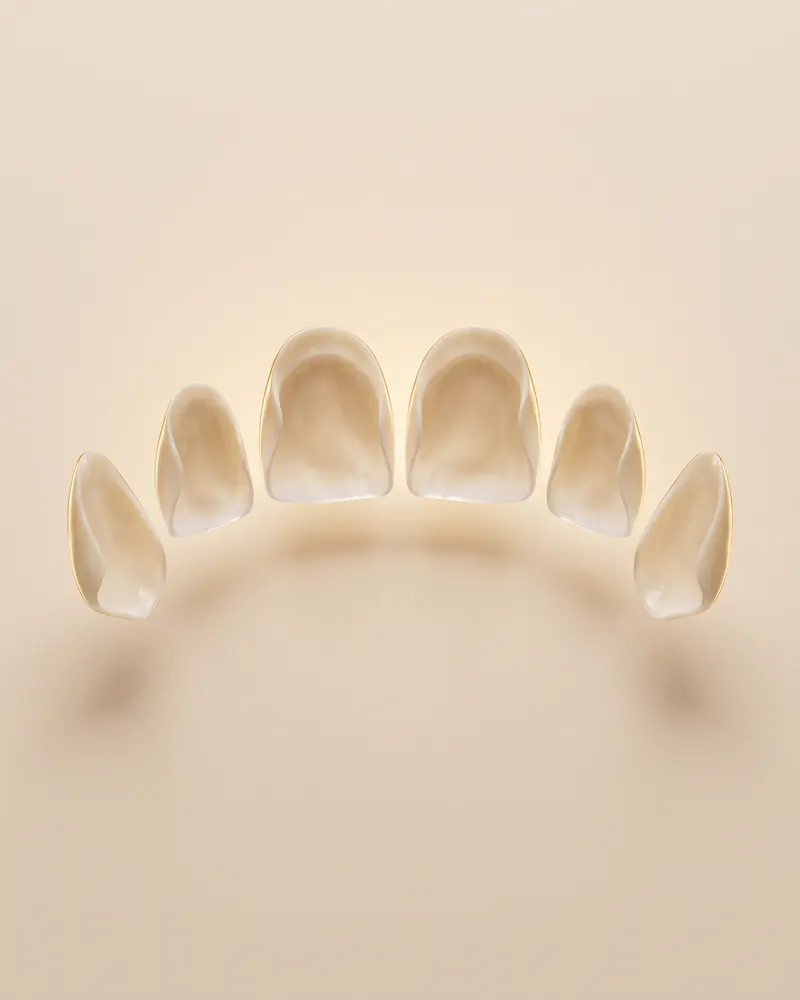
Composite veneers in Miami are thin layers of tooth-colored resin bonded to the front of your teeth to change their shape, length or color. They suit small chips, gaps and uneven edges, and they usually need little or no enamel removed.
- Visits
- 1 or 2
- Listed from
- $4,500
- Enamel removed
- Little or none
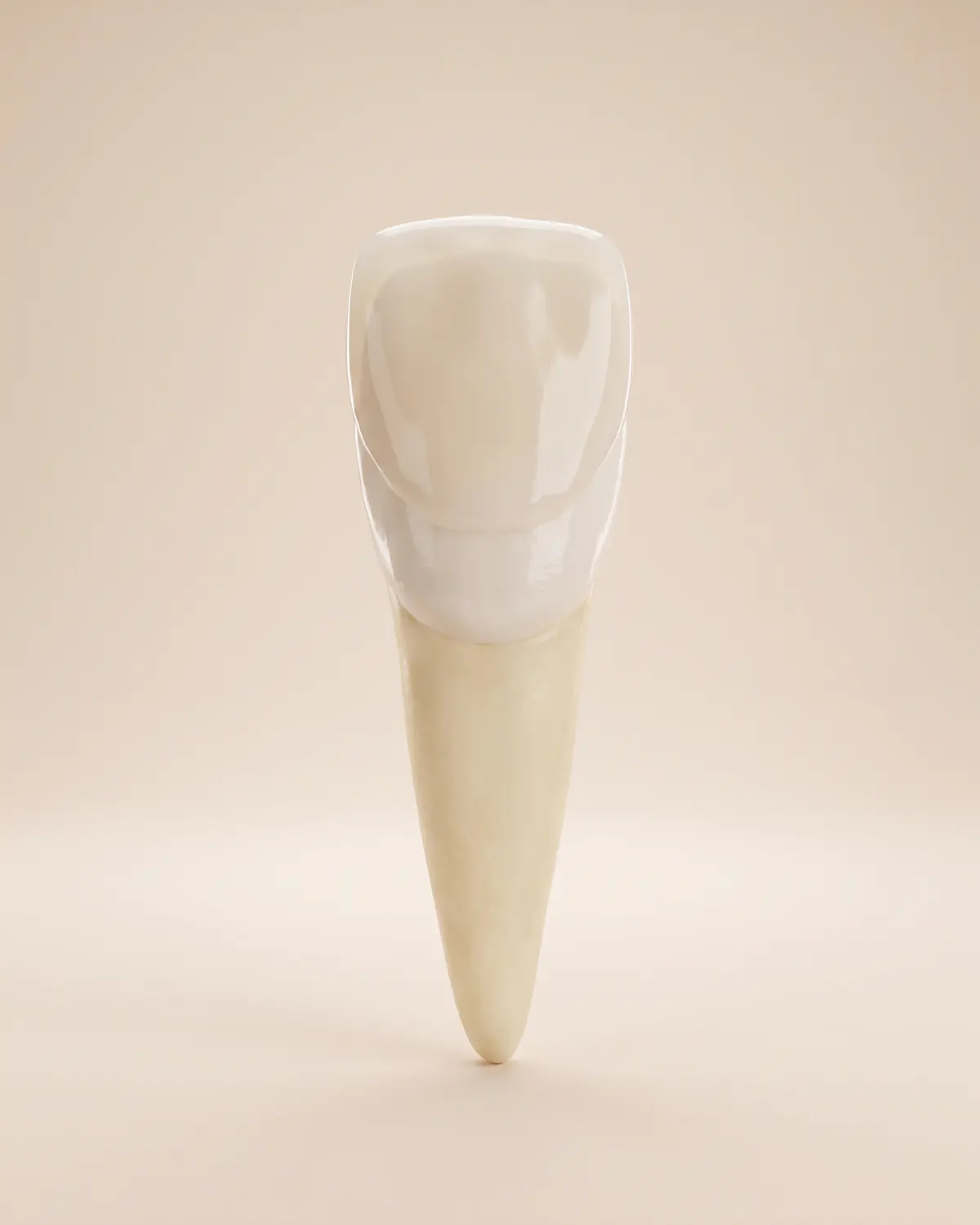
What composite veneers are
A composite veneer is made from the same tooth-colored resin dentists use for bonding. The dentist builds it in layers over the front of the tooth, shapes it, hardens each layer with a curing light and polishes it until it reflects light like the teeth around it. Because the resin sticks to the enamel, most teeth need little or no drilling first.
There are two ways to make them. Direct composite veneers are sculpted on your teeth in the chair, so you leave with the finished result the same day. Indirect composite veneers are made outside the mouth from an impression or scan and bonded at a second visit. At your consultation we tell you which method fits your case and why.
Resin is softer than porcelain. It picks up stains more easily and can chip, so composite veneers need polishing and the occasional touch-up over the years. In return, a chipped edge can usually be repaired in the chair instead of replacing the whole veneer.
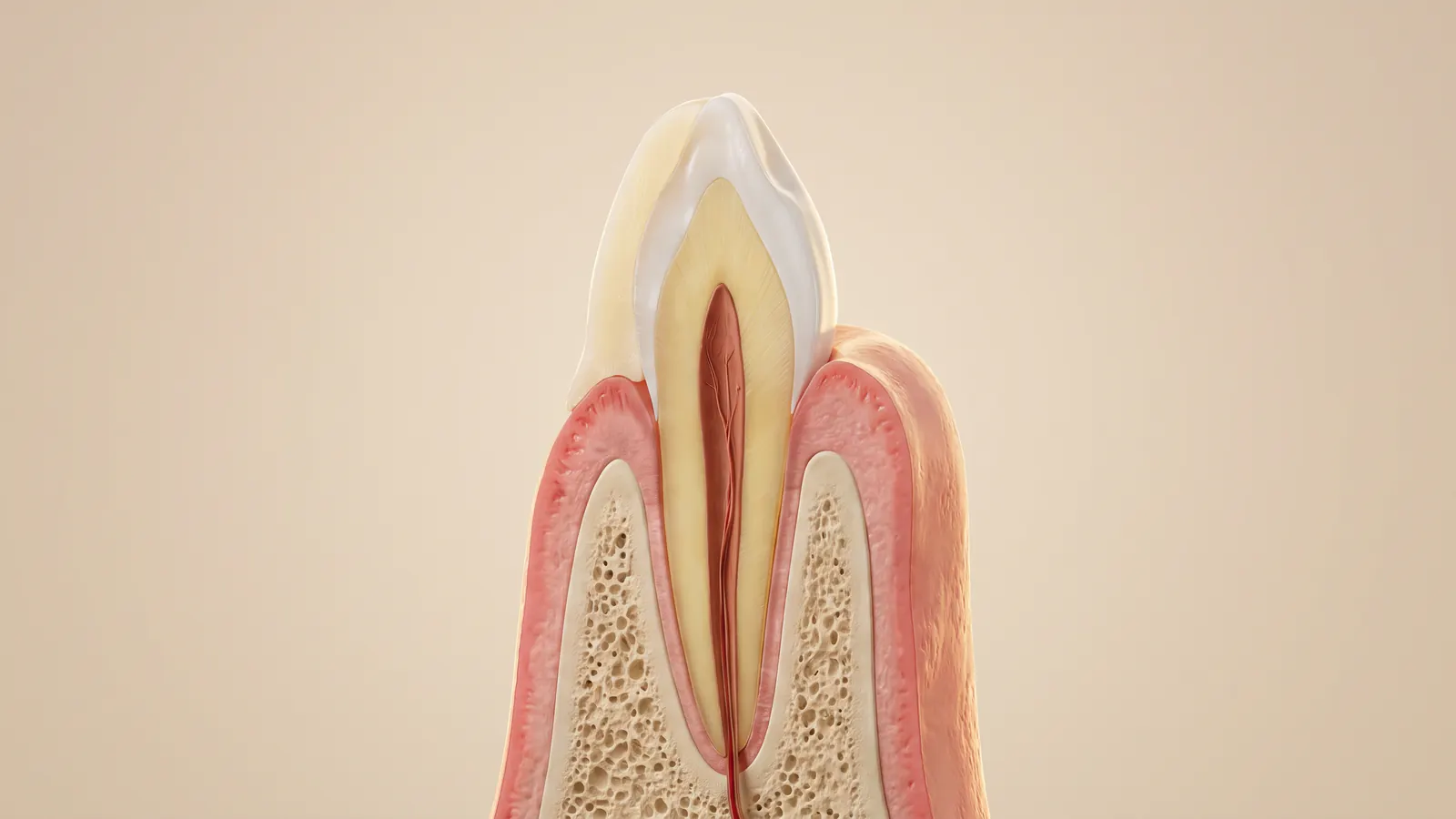
- Composite resin. Tooth-colored resin bonded in thin layers to the front of the tooth and shaped by hand. It can lengthen or even out the biting edge.
- Enamel. The hard outer layer the resin bonds to. Most composite veneers need little or none of it removed.
- Dentin. The softer layer under the enamel. It stays untouched.
- Pulp. The nerve and blood supply inside the tooth, well away from where the dentist works.
- Gum and bone. They hold the tooth in place. Cavities and gum disease are treated before any veneer.
Who composite veneers are for
They work best when the teeth underneath are healthy and the change you want is moderate.
- Small gaps between front teeth. Resin added to the sides of the teeth can close a gap without braces when the space is small.
- Chipped or worn edges. A layer of composite rebuilds the edge and evens out the line of your smile.
- Teeth that look short or uneven. The dentist can add length or change the outline so the teeth match each other.
- Stains that whitening does not lift. Resin covers the front of the tooth, so it hides discoloration that bleaching cannot reach.
- People who want to keep their enamel. Most composite veneers need little or no enamel removed, which keeps the option of a different treatment later.
- A first step before porcelain. Some patients try composite to see how a new shape feels before committing to porcelain.
When we suggest something else. Cavities and gum disease have to be treated before any veneer. If your teeth are crowded or your bite is off, orthodontics may be the better first step. If you grind your teeth hard or want a large change in color across the whole smile, porcelain veneers usually hold up better, and we will tell you so at the consultation.
How it works, visit by visit
Direct veneers are usually done in one treatment visit; indirect veneers take two.
-
Consultation and plan
We check your teeth and gums, take photographs and talk through the shape and shade you want. We show you a simulation of the result and choose between direct and indirect veneers.
First visit
-
Preparing the surface
The dentist cleans the teeth, lightly roughens the enamel and applies a conditioning liquid so the resin bonds well. Most teeth need little or no drilling.
Treatment visit
-
Layering and shaping
For direct veneers, resin goes on in thin layers, each hardened with a curing light and shaped by hand. Expect roughly 30 to 60 minutes per tooth. For indirect veneers, the dentist takes an impression and bonds the finished veneers at the next visit.
Same visit, or a second one for indirect
-
Polish and bite check
The dentist polishes the surface, checks how your teeth meet when you bite and smooths any edge that catches.
End of the treatment visit
What composite veneers cost in Miami
The starting price we list for composite resin veneers is $4,500. Your quote depends on how many teeth are treated, whether the veneers are direct or indirect, and whether you need fillings or gum treatment first. We confirm the number of teeth and the total at your consultation, before any work starts.
Most dental plans treat veneers as cosmetic, so they rarely pay for them. If a veneer also repairs a broken tooth, part of the cost may be covered; we check your plan with you.
- Composite resin veneers
- from $4,500
Financing is available through CareCredit and Alphaeon Credit. The exact plan and price are confirmed at your consultation.
- Financing available
- Insurance accepted for covered care
Composite or porcelain?
| Composite | Porcelain | |
|---|---|---|
| Visits | 1 (direct) or 2 (indirect) | 2 |
| Enamel removed | Little or none | Some, in most cases |
| Typical lifespan | About 3 to 10 years before a touch-up or replacement | About 10 to 15 years with good care |
| Staining | Stains more easily; needs polishing | Resists stains well |
| If it chips | Usually repaired in the chair | Usually replaced |
| Cost | Lower | Higher |
Recovery and aftercare
- No downtime. You can go back to work the same day. Some people feel mild sensitivity for a short time, and an over-the-counter pain reliever is usually enough.
- Brush and floss as usual. Use a soft brush and a nonabrasive fluoride toothpaste twice a day and floss once a day. The tooth under the resin can still decay.
- Go easy on stains. Coffee, tea, red wine and tobacco darken resin faster than enamel. Rinse with water after them.
- Skip whitening products. Whitening does not change the color of resin, and abrasive whitening pastes can scratch the surface.
- Do not use your teeth as tools. Avoid biting ice, pens or nails and opening packages with your teeth. Cut hard food into small pieces.
- Keep your cleanings. At each checkup we polish the resin and look for chips early. If you grind at night, ask us about a night guard.
What patients ask before deciding
How long do composite veneers last?
Cleveland Clinic puts composite bonding at about 3 to 10 years before it needs a touch-up or replacement. Clinical studies of direct composite veneers found that most were still in place after five years. Your habits matter: grinding, biting hard objects and smoking all shorten their life.
How much are composite veneers in Miami?
Our listed starting price for composite resin veneers is $4,500. The final figure depends on the number of teeth, the method and any treatment you need first, and we confirm it at your consultation. Financing is available through CareCredit and Alphaeon Credit.
Do composite veneers stain?
Yes, more than porcelain does. Resin slowly absorbs color from coffee, tea, red wine and tobacco. Polishing at your cleanings removes much of the surface stain, but it will not return the resin to its original shade if it has darkened through.
Do composite veneers damage your teeth?
Most composite veneers need little or no enamel removed, so the tooth underneath stays largely intact, and the resin can usually be removed later. The tooth can still decay at the edges of the veneer if plaque builds up, which is why brushing, flossing and checkups still matter.
Can composite veneers be whitened?
No. Whitening only works on natural enamel, not on resin, porcelain or fillings. If you want whiter teeth, whiten first and then match the composite to your new shade.
What is the difference between composite and porcelain veneers?
Composite is resin shaped directly on the tooth or in a lab. It costs less, usually needs little or no enamel removed and can be repaired in the chair. Porcelain is made by a ceramist, needs some enamel removed, resists stains better and typically lasts longer.
Can composite veneers fix crooked teeth?
They can hide a slightly turned or uneven tooth by changing its outline. They do not move teeth, so crowding or a bite problem usually needs orthodontic treatment first.
Related treatments
Your new smile starts with one visit.
Tell us what you would like to change and one of our doctors replies within 24 hours on working days.
- Phone
- 786 981 0655
- Emergencies
- 305 204 9231
- [email protected]
- Hours
- Monday–Friday, 9 AM–6 PM. Saturday and Sunday closed.
Online consultation
Send us photos of your smile
Fill out the online consultation form, attach your photos and one of our doctors replies within 24 hours on working days.
Start your online consultation